What Makes Exterior Painting in Mooresville, NC Different from Other Areas?
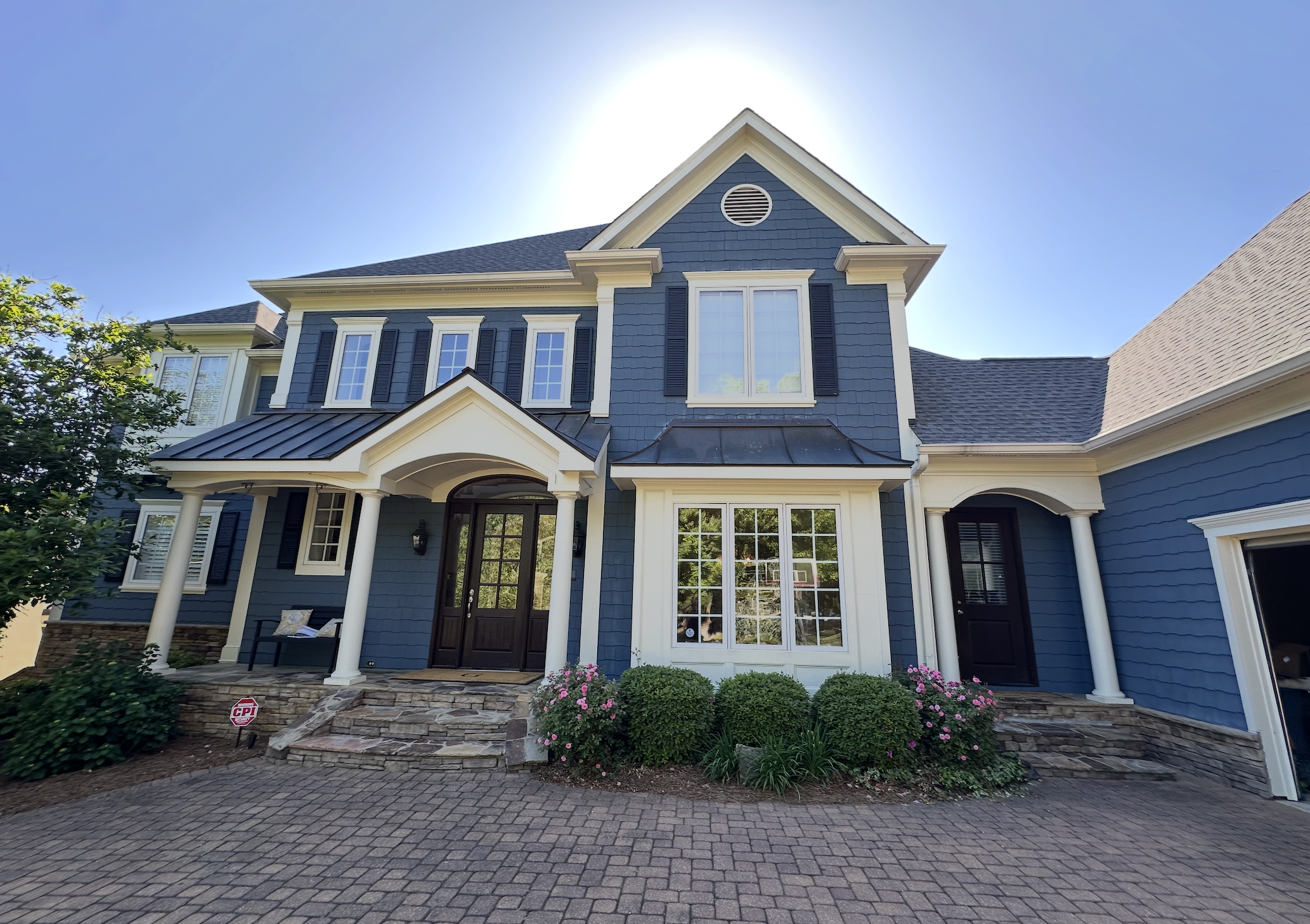
When homeowners in Mooresville consider exterior painting projects, they’re dealing with environmental conditions and regional characteristics that create a distinctly different set of challenges compared to painting homes in other parts of the country. Understanding these regional differences isn’t just an academic exercise—it directly impacts how long your paint job will last, what products will perform best, and when you should schedule the work. The unique combination of Lake Norman’s microclimate, the area’s specific architectural heritage, and North Carolina’s Piedmont weather patterns creates a painting environment that demands specialized knowledge and approach.
The most significant factor distinguishing exterior painting in Mooresville from other regions is the profound influence of Lake Norman itself. This massive body of water, covering more than 32,000 acres, creates a microclimate that affects homes differently depending on their proximity to the shore and their orientation relative to prevailing winds. Properties within a mile of the lake experience higher humidity levels year-round compared to homes even just a few miles inland. This elevated moisture content in the air means that paint adhesion becomes more critical, and the substrate preparation phase takes on outsized importance. Where a painting contractor in Arizona might be primarily concerned with UV degradation and thermal expansion, and a contractor in coastal Maine would focus on salt air corrosion, Mooresville painters must navigate the middle ground—addressing both moisture management and moderate sun exposure while accounting for the unique reflective properties of living near a large lake.
This lakeside environment creates specific mildew and algae challenges that homeowners in drier climates simply don’t encounter with the same frequency or severity. The combination of humidity from the lake, Carolina warmth, and the shade created by the area’s mature tree canopy on many properties creates ideal conditions for biological growth on painted surfaces. North-facing walls, areas under roof overhangs, and sections shaded by the abundant oak, pine, and maple trees common in Mooresville neighborhoods can develop green or black streaking within just a couple years of painting if the wrong product is selected or if proper surface preparation is skipped. This makes the choice of paint formulation particularly important in Mooresville—products with built-in mildewcides and algaecides aren’t just marketing features here, they’re practical necessities that can add years to a paint job’s lifespan.
The architectural landscape of Mooresville also sets it apart from many other painting markets. The town’s growth patterns have created distinct neighborhood zones, each with different typical construction methods and materials. Historic downtown Mooresville features early twentieth-century homes with original wood siding, intricate trim work, and architectural details that require painstaking preparation and often multiple paint products applied to different surfaces on the same home. Meanwhile, the explosive residential growth around Lake Norman from the 1990s forward introduced neighborhoods dominated by fiber cement siding, vinyl accents, and more contemporary architectural styles. More recently, the town has seen an influx of modern farmhouse designs and transitional architecture that combine board-and-batten elements, mixed siding materials, and complex color schemes featuring three or four distinct colors on a single elevation. Each of these architectural eras and styles demands different preparation approaches, product selections, and application techniques.
The region’s clay-heavy soil composition creates another painting consideration that’s relatively unique to the Carolina Piedmont. When it rains in Mooresville—and the area receives approximately 43 inches of precipitation annually—that distinctive red clay can splash up onto home foundations and lower siding sections. Over time, this clay residue can build up in the texture of siding materials and in the gaps where trim meets siding. If a painting contractor doesn’t thoroughly pressure wash and properly prepare these lower sections, the clay contamination can interfere with paint adhesion, leading to premature peeling or failure. Painters working in sandy soil regions or areas with different geological characteristics don’t typically encounter this specific challenge, making it another factor that separates Mooresville painting projects from those in other markets.
Mooresville’s location in the Piedmont transition zone creates a weather pattern that impacts exterior painting differently than in the mountains to the west or the coastal plain to the east. The area experiences genuine four-season weather, but without the extreme temperature swings found in more northern climates. Winter lows typically stay above the mid-twenties, while summer highs regularly reach the low nineties with substantial humidity. This temperature range means paint curing happens differently here than in consistently warm climates or consistently cool ones. Spring and fall become the premium painting seasons—not just because they’re comfortable for painters, but because the moderate temperatures and lower humidity allow for optimal paint curing. The window for ideal painting conditions is actually narrower than many homeowners realize, roughly running from late March through early June and then again from mid-September through November. Summer’s heat and humidity can cause paint to dry too quickly on the surface while remaining wet underneath, trapping moisture and potentially leading to adhesion problems. Winter’s cooler temperatures slow curing to the point where overnight dew or unexpected cold snaps can compromise the paint film before it fully hardens.
The sun’s angle and intensity in Mooresville’s latitude creates yet another regional consideration. South and west-facing walls receive intense afternoon sun exposure, particularly during summer months. This UV exposure causes paint to chalk and fade more rapidly on these elevations compared to north and east faces. Experienced local painters understand that south and west walls may need repainting a year or two before the rest of the house, or they’ll specify higher-grade paints with better UV inhibitors for these exposures. The intensity of this sun exposure isn’t quite as severe as in Southern states like Florida or Texas, but it’s notably more aggressive than in Northern locations, placing Mooresville in a moderate-challenge zone that requires careful product selection rather than allowing contractors to simply use whatever paint line they prefer.
The area’s tree coverage and natural landscaping create specific access and environmental challenges. Mature neighborhoods in Mooresville often feature large hardwoods that hang over homes, providing beautiful shade but also creating tight access situations for ladders and equipment. These trees drop leaves, pollen, and organic debris onto roof surfaces, which then washes down over siding during rain events. The tannic acid from oak leaves, pine sap, and other organic matter can stain siding and create dark streaking that must be addressed before painting. Contractors working in newer subdivisions with minimal landscaping or in more arid regions don’t deal with this particular preparation challenge with the same frequency. Additionally, many Mooresville properties have carefully maintained landscaping—azaleas, boxwoods, ornamental grasses, and flower beds positioned right against home foundations—requiring painters to take extra care in protecting plantings during the pressure washing and painting process.
Mooresville’s proximity to Charlotte and its position as a NASCAR hub has created a local economy with specific expectations around service quality and project timelines. Homeowners here tend to be knowledgeable consumers who research projects thoroughly and have high standards for contractor professionalism. The area’s growth has also brought in residents from across the country, each bringing different regional expectations about what “standard practice” should look like for exterior painting. A homeowner who relocated from New England might expect three coats of paint as standard, while someone from a Southwest market might assume two coats is sufficient. This diversity of expectations means local painters must be more thorough in their education process and clearer in their proposals than they might need to be in markets with more homogeneous populations and shared regional assumptions.
The regulatory environment also plays a role in how exterior painting operates in Mooresville. North Carolina requires licensing for painting contractors performing work over $30,000, and the town of Mooresville has its own permitting and inspection requirements for certain types of work. While exterior painting typically doesn’t require permits, related work like soffit replacement, fascia repair, or any structural modifications do fall under local building code jurisdiction. Painters working in Mooresville need to understand these regulations and know when their work crosses into territory requiring permits or licensed trades. This regulatory landscape differs from states with lighter licensing requirements or municipalities with different permit thresholds, adding another layer of regional specificity to how painting businesses operate here.
The local market dynamics have also shaped how exterior painting services are delivered in Mooresville. The town’s rapid growth over the past two decades has attracted painting contractors from across the region, creating a competitive market with significant quality variation. Homeowners can receive bids ranging from $3,000 to $12,000 for the same project depending on the contractor’s business model, product selection, and thoroughness of preparation. This wide pricing spectrum means that local painters must clearly differentiate their approach and educate potential clients about what variables drive cost differences. Markets with less competition or more established pricing norms don’t require the same level of client education.
Understanding what makes exterior painting in Mooresville different from other areas isn’t about claiming the work here is necessarily harder or easier—it’s about recognizing that regional factors matter tremendously in achieving lasting results. The combination of Lake Norman’s influence, Piedmont weather patterns, local architecture, clay soil, and community expectations creates a specific set of conditions that demand local knowledge and tailored approaches. Homeowners who recognize these regional distinctions and work with contractors who understand them will consistently achieve better outcomes than those who treat exterior painting as a generic service that should look and perform the same everywhere. The investment in understanding these differences pays dividends in the form of paint jobs that maintain their beauty and protection for years longer than projects where regional factors weren’t properly considered.