How Long Does Exterior Paint Last in North Carolina Weather?
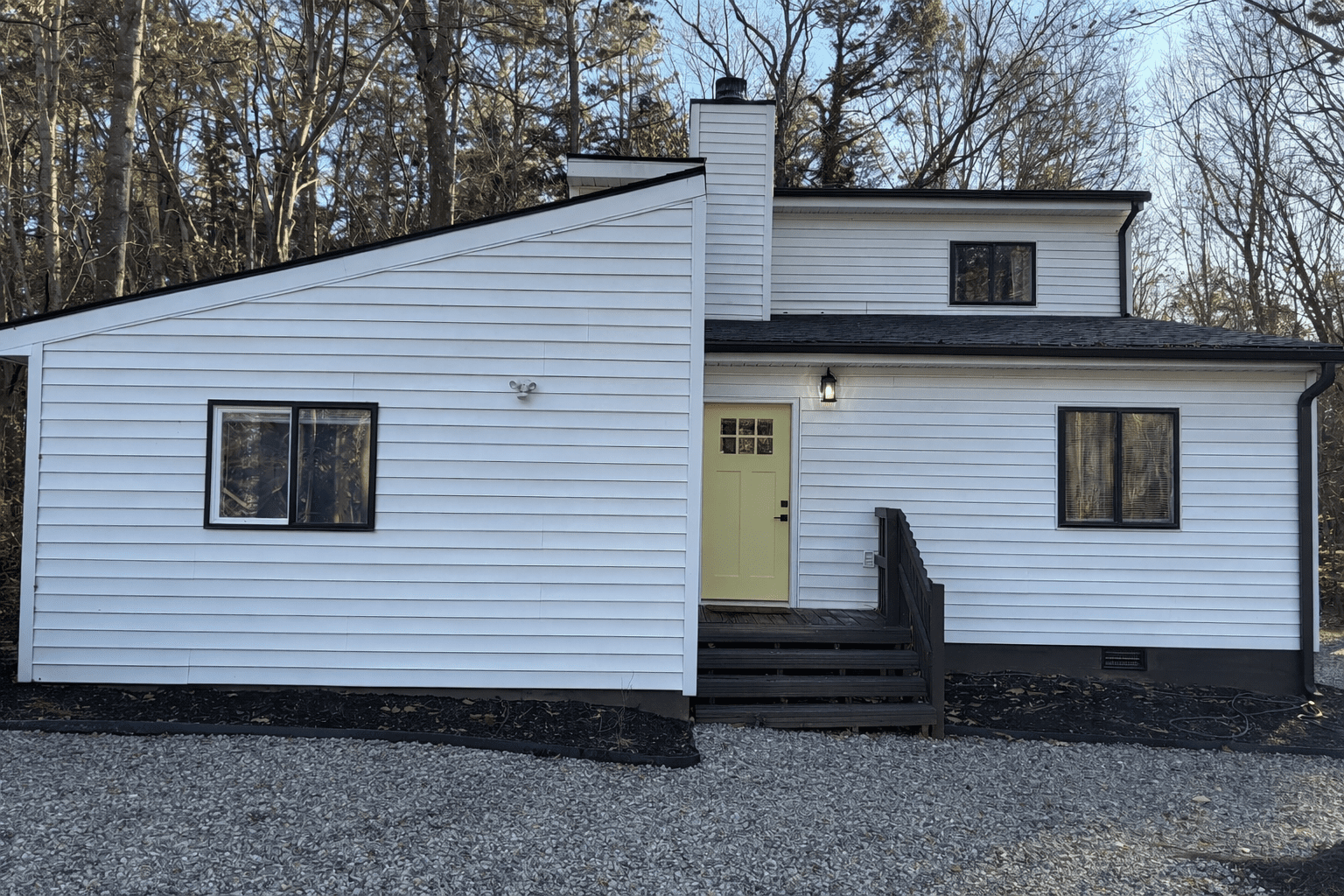
The longevity of exterior paint represents one of the most important considerations for Mooresville homeowners planning their maintenance budgets and protecting their investment. Understanding how long you can expect your exterior paint to last in North Carolina’s specific climate conditions helps you make informed decisions about product selection, contractor choice, and maintenance schedules. While national averages suggest exterior paint lasts seven to ten years, the reality in Mooresville and the broader Lake Norman area involves considerable nuance based on environmental factors, material quality, application techniques, and ongoing maintenance. The challenging combination of North Carolina’s humidity, temperature swings, intense sun exposure, and biological growth potential creates conditions that demand both strategic planning and professional execution to achieve maximum paint longevity.
The baseline expectation for professionally applied exterior paint in Mooresville should be seven to twelve years before requiring a complete repaint, assuming quality products and proper application techniques. However, this range represents ideal conditions with appropriate maintenance, and numerous factors can shift the timeline in either direction. Understanding these variables helps homeowners set realistic expectations and recognize when shorter lifespans indicate substandard work rather than normal wear. At Trailblaze Paints, we’ve observed that homes painted with premium products and meticulous surface preparation consistently reach or exceed the ten-year mark, while budget approaches using lower-grade materials and minimal prep work often show significant deterioration by year five or six. This substantial difference in longevity makes the upfront investment in quality work and materials one of the most financially sound decisions a homeowner can make.
North Carolina’s humidity stands as perhaps the single most significant factor affecting paint longevity in the Mooresville area. The state’s position in the humid subtropical climate zone means moisture content in the air remains elevated year-round, with summer humidity regularly reaching eighty to ninety percent. This persistent moisture exposure creates conditions where paint films remain slightly damp for extended periods, particularly on north-facing walls and sections shaded by the mature tree coverage common in established Mooresville neighborhoods. When paint doesn’t fully dry between dew cycles or rain events, the constant moisture exposure accelerates breakdown of the paint binder—the component that holds pigment particles together and adheres the coating to the substrate. Premium paints formulated specifically for humid climates include advanced resin technologies that resist this moisture-driven degradation, extending service life by two to four years compared to standard formulations. This is why Trailblaze Paints exclusively specifies moisture-resistant coatings for all our Mooresville projects—we understand that using products engineered for our specific climate directly translates to longer-lasting results for our clients.
The biological growth potential in North Carolina weather significantly impacts paint longevity in ways that homeowners in drier climates never experience. The combination of warmth, humidity, and organic matter creates ideal conditions for mildew, algae, and moss to colonize painted surfaces. These organisms don’t just create unsightly black or green streaking—they actually feed on the organic components in paint, gradually breaking down the coating from the surface inward. North-facing walls, areas under roof overhangs, and sections perpetually shaded by Lake Norman’s abundant trees can develop visible biological growth within just two to three years of painting if the wrong products are used. Modern premium paints include powerful mildewcides and algaecides that inhibit this growth for five to seven years, but these additives eventually lose effectiveness as they’re depleted through UV exposure and weathering. When we complete projects at Trailblaze Paints, we select coatings with the highest levels of biological growth inhibitors available, understanding that this single product characteristic dramatically affects how long the paint maintains both its appearance and its protective function.
Sun exposure and UV degradation represent another critical factor in paint longevity, particularly on south and west-facing elevations. North Carolina’s latitude places Mooresville in a zone of significant solar intensity, especially during summer months when the sun angle is high and days are long. UV radiation breaks down the chemical bonds in paint pigments and resins through a process called photodegradation, causing paint to chalk, fade, and lose its protective qualities over time. South-facing walls receiving direct sunlight for six to eight hours daily will typically show signs of degradation two to three years before north-facing walls on the same home. Premium paints incorporate UV absorbers and stabilizers that slow this degradation process, but no coating completely eliminates UV damage—it’s simply a matter of how quickly it occurs. The quality differential becomes starkly apparent when comparing budget paints that might show significant fading within three years against premium coatings that maintain color integrity for eight to ten years. At Trailblaze Paints, we often recommend investing in higher-grade products specifically for south and west exposures even if homeowners choose mid-grade options for less-exposed elevations, maximizing longevity where UV stress is greatest.
Temperature fluctuations throughout North Carolina’s four-season climate create expansion and contraction cycles that stress paint films and underlying substrates. While Mooresville doesn’t experience the extreme temperature swings of northern climates, the area does see winter lows in the twenties and summer highs in the nineties—a seventy-degree range that causes wood siding to expand and contract repeatedly throughout the year. Each expansion-contraction cycle places stress on the paint film, and over thousands of cycles across multiple years, this stress can cause cracking, checking, and eventual adhesion failure. Flexible paint formulations with elastic properties accommodate this movement better than rigid coatings, maintaining integrity through repeated thermal cycling. Proper surface preparation also plays a crucial role—paint applied over marginally adhered old coatings or inadequately primed bare wood will fail much faster than paint applied to properly prepared, sound substrates. This is why our preparation process at Trailblaze Paints is so comprehensive; we understand that the longevity of the finish coat depends entirely on the quality of what’s beneath it.
The type of siding material substantially affects how long paint lasts in North Carolina weather. Wood siding, while traditional and beautiful, presents the greatest longevity challenges because the substrate itself expands, contracts, and absorbs moisture more than alternative materials. Paint on wood siding in Mooresville typically lasts seven to ten years when properly maintained, but can fail in as little as four to five years if moisture infiltration occurs through failed caulking or if the wood wasn’t adequately dry when painted. Fiber cement siding, which has become increasingly popular in newer Mooresville neighborhoods, holds paint longer than wood—typically ten to fifteen years—because the substrate remains more dimensionally stable and doesn’t absorb moisture as readily. Vinyl siding doesn’t require painting but when homeowners choose to paint it for aesthetic reasons, the paint longevity depends heavily on proper surface preparation and using coatings specifically formulated for vinyl’s unique expansion characteristics. Brick doesn’t require painting on the masonry itself, but painted trim and accents on brick homes often last slightly longer than on fully-sided homes because they receive less direct weather exposure. Understanding these material-specific expectations helps homeowners set appropriate budgets and maintenance schedules.
Previous paint condition and proper preparation dramatically influence new paint longevity in ways many homeowners underestimate. Paint applied over surfaces with failing previous coatings, inadequate cleaning, or improper priming will never achieve its potential lifespan regardless of product quality. In North Carolina’s climate where mildew and algae growth is common, thoroughly cleaning and treating biological contamination before painting is absolutely essential. At Trailblaze Paints, we’ve seen countless examples of paint jobs that failed within two to three years because contractors skipped comprehensive cleaning or applied new coatings over chalked, contaminated surfaces. Our preparation process addresses these regional challenges specifically—we don’t just pressure wash and paint, we treat surfaces with appropriate cleaners, ensure complete drying, address any substrate issues, prime as needed, and only then apply finish coats. This preparation-focused approach is why our projects consistently deliver longevity at the upper end of the expected range while quick-turnaround, minimal-prep competitors see failures years earlier.
Color selection impacts paint longevity more than most homeowners realize, particularly in North Carolina’s sunny climate. Darker colors absorb more solar heat than lighter shades, causing greater temperature-related expansion and contraction of both the paint film and the underlying substrate. A home painted deep charcoal gray will typically need repainting one to two years sooner than an identical home painted in a lighter neutral, simply due to the additional thermal stress. This doesn’t mean avoiding dark colors—the modern farmhouse aesthetic popular in Mooresville often features dramatic dark accent walls that look stunning—but it does mean understanding that these bold choices require more frequent maintenance. When clients at Trailblaze Paints select darker colors, we ensure they understand the longevity implications and recommend the highest-grade paints available to maximize the lifespan of these more challenging color choices. We also carefully consider substrate type when dark colors are desired; fiber cement handles dark colors better than wood siding due to its superior dimensional stability.
Maintenance practices significantly extend or shorten exterior paint life in North Carolina weather. Homes that receive annual gentle cleaning to remove dirt, pollen, and organic debris can add two to three years to paint longevity compared to homes that are never cleaned between paint cycles. Similarly, promptly addressing minor issues—recaulking gaps as they appear, touching up small areas of damage, cleaning mildew spots when they first develop—prevents small problems from accelerating into larger failures. However, maintenance must be done correctly; aggressive pressure washing at high PSI can actually damage paint and accelerate failure, while using inappropriate cleaning chemicals can break down paint binders. At Trailblaze Paints, we provide our clients with specific maintenance guidance tailored to the products we’ve used and their home’s particular exposure conditions, empowering them to protect their investment through simple annual care that meaningfully extends the time between major repainting projects.
Architectural features and design elements influence paint longevity in ways specific to individual homes. Homes with generous roof overhangs that shield walls from direct rain exposure see longer paint life than homes with minimal overhangs where siding receives full weather exposure. Properties with mature landscaping that provides afternoon shade on west walls may experience less UV degradation on those elevations, while homes on open lots receive maximum sun exposure on all sides. Trim details, decorative elements, and areas where different materials meet require more frequent maintenance than flat, uninterrupted siding sections. Two-story homes often show greater wear on second-story sections where sun and wind exposure is more intense. Understanding these home-specific factors helps set realistic expectations for paint longevity and identifies areas that may need attention before others during the paint cycle.
The quality of workmanship during application affects longevity as much as product selection. Paint applied too thin to save material costs won’t provide adequate protection and will fail prematurely. Conversely, paint applied too thick—often a hallmark of inexperienced painters—can sag, curtain, or trap moisture behind the film, leading to adhesion problems. Proper technique ensures uniform film thickness, appropriate overlap on spray applications, and correct brush or roller methods that work paint into surface textures rather than just coating the surface. At Trailblaze Paints, our experienced crews understand that proper application technique isn’t just about appearance—it fundamentally determines how well the paint adheres and how long it resists North Carolina’s weather challenges. We take pride in the craftsmanship that ensures our clients’ investments deliver maximum longevity rather than requiring premature repainting due to application shortcuts.
Weather conditions during application significantly impact long-term paint performance. Paint applied during periods of high humidity may not cure properly, trapping moisture in the film that leads to early adhesion failure. Coatings applied in temperatures outside the manufacturer’s recommended range may not form proper molecular bonds, compromising durability from day one. Paint that receives dew or rain exposure before it’s fully cured can be permanently compromised even if it eventually hardens. This is why Trailblaze Paints carefully monitors weather conditions and only applies coatings when conditions fall within optimal ranges. We’d rather delay a project a few days to ensure proper curing conditions than rush application and compromise the longevity that our clients deserve. This patience and discipline during application translates directly to paint jobs that last years longer than work completed by contractors who paint regardless of conditions.
Regional microclimates around Lake Norman create variation in paint longevity even within Mooresville itself. Homes within a mile of the lake experience higher humidity and more frequent fog events that can reduce paint life by a year or two compared to properties several miles inland. Homes in heavily wooded areas see more biological growth and less UV exposure, creating different wear patterns than homes on open lots. Properties on hilltops receive more wind exposure that can accelerate weathering, while homes in valleys may stay damper longer after rain events. Understanding these hyperlocal factors allows Trailblaze Paints to make nuanced product recommendations and application decisions that account for each property’s specific environmental exposure, optimizing longevity based on actual conditions rather than generic assumptions.
The warranty period offered by professional painters provides insight into expected longevity and contractor confidence. At Trailblaze Paints, our comprehensive warranties reflect our confidence in both the products we use and the quality of our workmanship. We stand behind our projects because we know that proper preparation, quality materials, skilled application, and attention to North Carolina’s specific climate challenges deliver results that last. Contractors offering minimal warranties or none at all are essentially acknowledging that their work may not withstand the test of time—a red flag that homeowners should heed when making hiring decisions.
Understanding how long exterior paint lasts in North Carolina weather ultimately comes down to recognizing that longevity isn’t predetermined by generic timelines but rather by the combination of quality materials, proper preparation, skilled application, and appropriate maintenance. The seven to twelve year range represents what’s achievable when all these factors align correctly. At Trailblaze Paints, we focus obsessively on these controllable variables because we understand that our reputation depends on delivering paint jobs that truly last in Mooresville’s challenging Lake Norman climate. When you invest in professional painting, you deserve results that protect your home and maintain their beauty for a decade or more—anything less represents a failure to properly address the specific demands of North Carolina weather. Our commitment to quality products, comprehensive preparation, expert application, and standing behind our work ensures that your exterior painting investment delivers the maximum possible longevity, providing years of protection and beauty while minimizing the frequency and cost of future repainting cycles.