
February 12, 2026
The Dangers of DIY Exterior Painting: What You Should Know
The money saved on a DIY exterior repaint disappears quickly when a ladder slips, a pressure washer forces water behind siding, or the paint peels in year two.
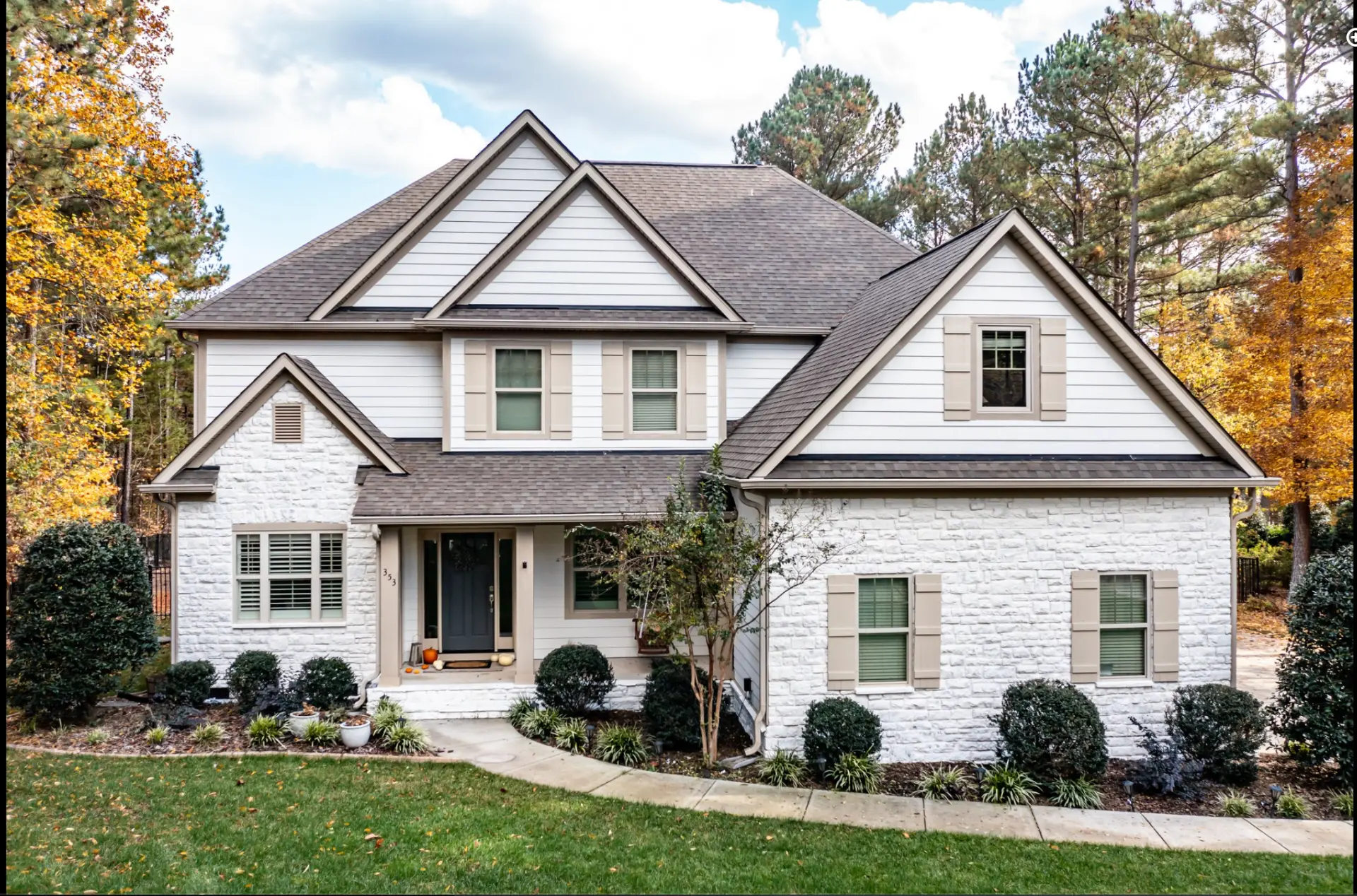
Interior painting is a reasonable DIY project for most people. Exterior painting is a different category of work, and the reasons have less to do with skill than with height, scale, and the consequences of getting the prep wrong.
This is not an argument that homeowners should never touch an exterior. It is an honest look at the risks that are easy to underestimate before you are thirty feet up on an extension ladder in July.
Falls are the real risk
Ladder falls are consistently among the leading causes of serious home improvement injuries in the United States. Exterior painting involves working at height, often on uneven ground, often while reaching sideways, often while holding a brush and a bucket, and often on a hot day when fatigue sets in faster than expected.
The homes that give us the most pause are the ones on sloped lots near the lake, where a two-story elevation on the front becomes a three-story drop on the back. That is not a ladder job. That is a staging job with fall protection.
Lead paint in older homes
Homes built before 1978 may contain lead-based paint. Scraping and sanding that paint releases lead dust, which contaminates soil around the foundation and poses a serious health risk to children and pregnant women.
Professional contractors working on pre-1978 homes are required to follow EPA lead-safe practices: containment, specific work methods, and cleanup verification. A homeowner scraping the same surface with a wire brush and letting the chips fall into the flower bed is creating a contamination problem that outlasts the paint job by years.
Pressure washer damage
A pressure washer in inexperienced hands does more damage to homes than almost any other rented tool. Too much pressure gouges wood, drives water up behind lap siding, blows out caulk joints, forces water into wall cavities through window seals, and strips the mineral surface off fiber cement.
Water forced behind siding does not evaporate quickly. Paint applied over it traps it, and within a season you have peeling, and sometimes mold inside the wall assembly. This is one of the most expensive DIY mistakes we get called to remediate.
Prep mistakes that cost more than the savings
- Painting over chalky, mildewed, or damp siding, which guarantees adhesion failure.
- Skipping primer on bare wood, so the finish coat has nothing to hold onto.
- Painting over rotted trim rather than replacing it, which hides a problem that keeps spreading.
- Caulking joints that are designed to drain, which traps water inside the wall.
- Painting in direct afternoon sun, which flash-dries the film before it can level or bond.
- Painting too late in the season, when overnight temperatures drop below the product's minimum cure temperature.
The honest cost comparison
A DIY exterior job saves labor, which is most of the cost. But the comparison only works if the DIY job lasts as long. If a professional job holds for ten years and a DIY job needs redoing in four, the DIY option was more expensive per year, before counting equipment rental, your weekends, and the risk.
Where DIY genuinely makes sense: a single-story home in good condition, a front door, shutters, a small porch, or touch-up maintenance between full repaints. Where it usually does not: multi-story elevations, homes with significant peeling or rot, pre-1978 homes, and anything requiring work over a roof or a slope.
If you hire it out, hire it right
Verify general liability and workers compensation insurance before anyone climbs a ladder on your property. If an uninsured worker is injured at your home, that can become your problem. Ask whether the crew is employed or subcontracted, and get the prep scope and warranty in writing.
Common questions
Frequently asked
Is it worth painting my house exterior myself?+
On a single-story home in good condition, it can be. On multi-story homes, homes with peeling or rot, or homes built before 1978, the risk and rework potential usually outweigh the labor savings.
Can I damage my house with a pressure washer?+
Easily. Excessive pressure gouges wood, strips fiber cement, blows out caulk, and drives water behind siding where it causes peeling and hidden moisture problems.
What should I know about lead paint before scraping?+
Homes built before 1978 may have lead paint. Scraping and sanding releases lead dust that contaminates soil and poses a serious health risk. Testing first is the right move, and lead-safe work practices are required for contractors.
Next steps
Want it done right the first time?
Trailblaze Paints serves Mooresville, Cornelius, Davidson, Huntersville, Denver, and the wider Lake Norman area. Free quotes, insured crews, written warranty.