Uneven Paint Coverage: Why Some Walls Look Patchy

Lake Norman homeowners investing in interior painting projects often experience the frustration of stepping back to admire their freshly painted Mooresville living room or Cornelius bedroom only to discover that what should be a smooth, uniform surface instead appears patchy, streaky, or uneven despite using quality paint and following basic application instructions. Uneven paint coverage represents one of the most common painting failures that can transform an exciting home improvement project into a disappointing reminder of why professional painters command premium prices for their expertise and systematic approach to surface preparation and application technique. Understanding why paint coverage becomes uneven requires knowledge of surface science, paint chemistry, application physics, and the environmental factors that interact during the critical moments when liquid paint transforms into a solid film that will define your room’s appearance for years to come. More importantly, recognizing the root causes of patchy paint coverage enables both prevention strategies for future projects and correction techniques that can salvage disappointing results without requiring complete do-overs that waste time, money, and enthusiasm for maintaining beautiful homes throughout the Lake Norman region.
Surface Preparation Issues represent the most fundamental cause of uneven paint coverage because paint can only perform as well as the surface beneath it allows, and inconsistent surface conditions create the patchy appearance that disappoints homeowners despite their best application efforts. Walls that appear uniform to casual observation often contain subtle variations in porosity, texture, and cleanliness that become glaringly obvious once paint is applied and dried. Areas where previous paint has worn thin absorb new paint differently than areas with intact previous coatings, creating visible variations in color intensity and sheen that appear as patches across wall surfaces.
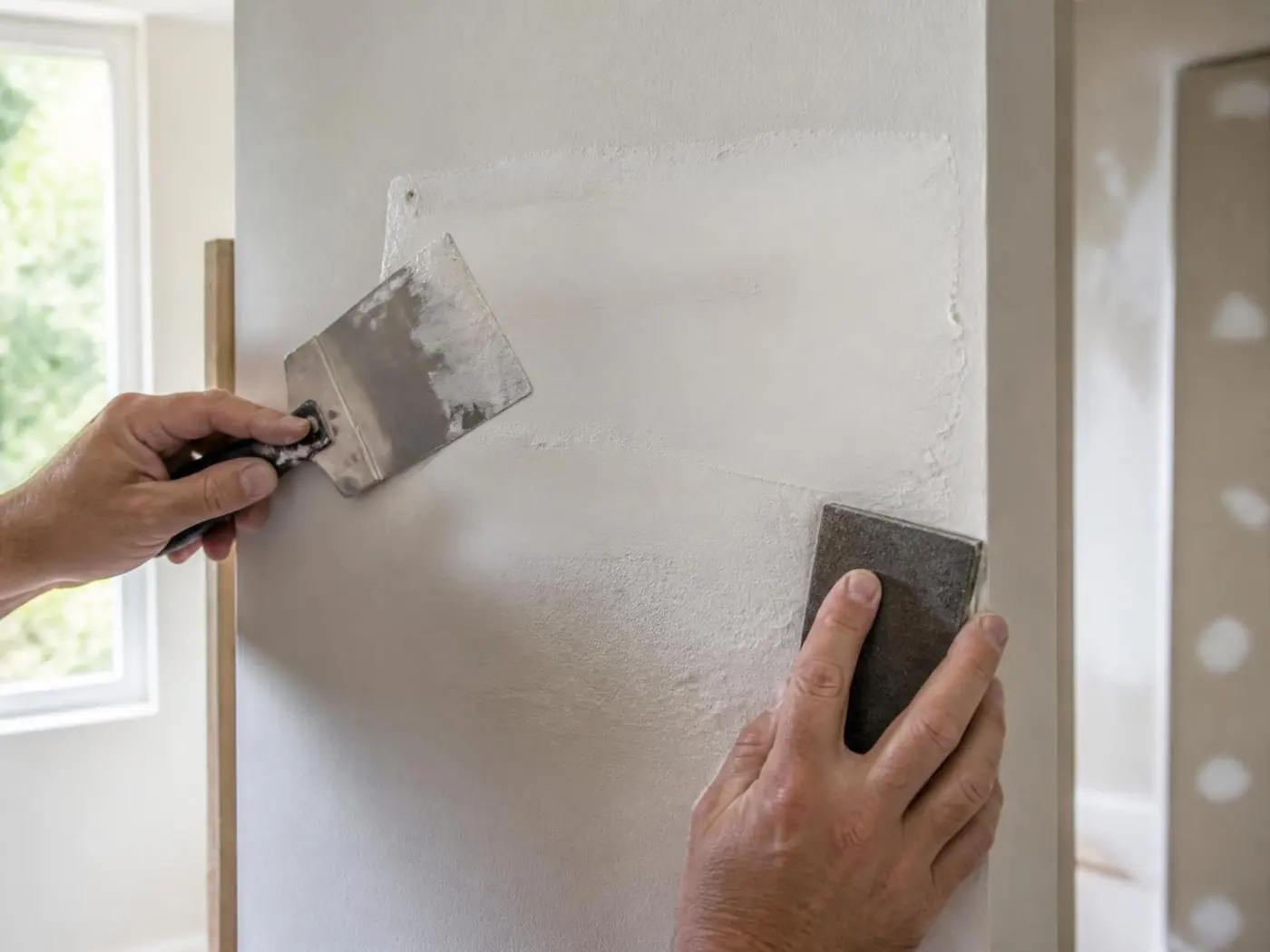
Spackle and repair areas present particularly challenging surface conditions because patching compounds, joint compound, and repair materials typically have different absorption characteristics than surrounding wall surfaces. Even when repair areas are properly sanded smooth, they often remain more porous than adjacent painted surfaces, causing them to absorb more paint and appear darker or duller than surrounding areas. This differential absorption becomes especially problematic with darker paint colors that contain higher pigment concentrations, making surface inconsistencies much more visible than they would be with lighter colors.
Wall contamination from dirt, grease, soap residue, or cleaning products creates invisible surface conditions that interfere with proper paint adhesion and coverage uniformity. Kitchens and bathrooms are particularly susceptible to contamination that prevents paint from adhering or flowing properly, creating areas where paint appears thin, patchy, or different in sheen from properly prepared adjacent surfaces. Even microscopic contamination can affect paint performance in ways that become visible only after paint has dried and cured into its final appearance.
Paint Quality and Formulation Factors significantly influence coverage uniformity because different paint formulations provide varying levels of hiding power, flow characteristics, and leveling properties that affect final appearance consistency. Economy paint products often lack the pigment concentration and binder quality necessary to achieve uniform coverage, particularly when applied over challenging surfaces or color transitions that require superior hiding power. These paints may appear adequate during application but develop patchy appearance as they cure and reveal inadequate coverage or poor color development.
Pigment distribution within paint formulations affects hiding power and coverage uniformity, with properly formulated paints providing consistent pigment suspension that maintains uniform coverage characteristics throughout the application process. Paint that hasn’t been adequately mixed before or during application can develop pigment separation that appears as color variations or coverage inconsistencies across painted surfaces. This becomes particularly problematic with darker colors or custom-tinted paints where pigment settling can create significant color variations.
Sheen level selection also affects the visibility of coverage variations because different paint sheens reflect light differently and can make surface imperfections or application inconsistencies more or less apparent. High-gloss paints reveal every surface imperfection and application variation while flat paints tend to hide minor inconsistencies but may appear patchy if applied unevenly. Understanding how sheen levels affect the visibility of coverage issues helps select appropriate paint finishes for specific surface conditions and application requirements.
Application Technique Problems create many of the patchy coverage issues that frustrate homeowners because improper application methods can cause uneven paint distribution regardless of surface preparation quality or paint product performance. Roller selection represents a critical factor because using inappropriate roller covers for specific surface textures or paint types can create application patterns that appear as patches or streaks once paint has dried. Smooth surfaces require different roller nap lengths than textured surfaces, and using the wrong combination often results in uneven coverage patterns.
Paint loading technique significantly affects coverage uniformity because inconsistent paint application creates thickness variations that appear as patches or color differences across wall surfaces. Overloaded rollers create thick areas that appear darker while underloaded rollers create thin coverage that appears lighter or allows underlying surface conditions to show through. Professional application technique maintains consistent paint loading and application patterns that prevent these coverage variations.
Application speed also influences coverage uniformity because paint flow and leveling characteristics depend on maintaining proper working times and wet edge management. Working too slowly allows painted areas to begin setting before adjacent areas receive paint, creating visible lap marks where wet paint meets partially dried paint. Conversely, working too quickly prevents proper paint flow and leveling, creating roller marks and application patterns that appear patchy once dried.
Environmental Conditions During Application affect paint performance in ways that can cause uneven coverage even when application technique and surface preparation are proper. Temperature extremes, humidity variations, and air circulation patterns influence how paint flows, levels, and cures during the critical application and initial drying phases. North Carolina’s variable climate creates conditions where the same application technique that works perfectly under moderate conditions might produce disappointing results during challenging weather periods.
High humidity conditions common during Lake Norman summers can interfere with proper paint curing while affecting paint viscosity and application characteristics. Excessive humidity may prevent paint from leveling properly while extending drying times that increase the likelihood of application defects. Conversely, low humidity conditions during winter heating seasons can cause paint to cure too quickly, preventing proper flow and leveling while making it difficult to maintain wet edges during application.
Air circulation from heating and cooling systems creates microclimates within rooms that can cause paint to cure at different rates across wall surfaces. Areas near HVAC vents may dry faster than areas in still air zones, creating differences in flow and leveling that appear as uneven coverage or surface texture variations. Understanding these environmental effects helps identify optimal painting conditions while explaining why coverage problems sometimes occur despite proper technique and materials.
Color Change Considerations become critical factors in achieving uniform coverage because dramatic color transitions require application strategies that differ from same-color repainting projects. Covering dark colors with light paints presents particular challenges because incomplete coverage allows underlying dark colors to influence the appearance of new paint applications. This influence appears as patchy or uneven coverage where application thickness varies or where surface preparation was inadequate to ensure proper color hiding.
Color intensity differences between old and new paint affect the number of coats required for uniform coverage, with lighter colors typically requiring more coats to completely hide darker underlying colors. Understanding these coverage requirements helps plan appropriate application strategies while setting realistic expectations for color change projects. Attempting to achieve complete coverage in fewer coats than necessary often results in patchy appearance that reflects inadequate hiding rather than application problems.
Primer application becomes essential for achieving uniform coverage when changing colors dramatically or when painting over surfaces with varying absorption characteristics. Quality primer creates uniform surface conditions that enable topcoat paints to perform consistently across entire wall areas. Skipping primer or using inadequate primer products often results in patchy topcoat coverage that reflects underlying surface variations rather than topcoat application issues.
Lighting Effects and Visual Perception influence how paint coverage appears under different viewing conditions, with coverage variations that are invisible under certain lighting becoming glaringly obvious under others. Natural daylight reveals coverage inconsistencies that may not be apparent under artificial lighting, while directional lighting can create shadows that emphasize surface irregularities or application variations. Understanding how different lighting conditions affect paint appearance helps evaluate coverage quality accurately while identifying any corrections needed for optimal results.
Sheen uniformity becomes particularly important under directional lighting because variations in surface texture or application technique can create sheen differences that appear as patchy coverage even when color coverage is actually uniform. Areas where paint was applied more heavily may appear glossier while areas with thinner coverage appear duller, creating visible patches that reflect application variations rather than color problems.
Viewing angle effects also influence coverage appearance because paint films reflect light differently when viewed from various angles. Coverage that appears uniform when viewed straight-on may show variations when viewed from oblique angles that reveal application patterns or surface irregularities. Professional painters understand these visual perception factors and evaluate coverage quality under various viewing conditions to ensure consistent appearance throughout normal use.
Correction Strategies for Patchy Coverage depend on identifying the underlying causes of coverage problems before implementing solutions that address root causes rather than just symptoms. Surface preparation issues typically require correction before additional paint application can achieve uniform results, while application technique problems may be correctable through proper recoating with improved methods.
Assessment techniques help determine whether patchy coverage results from surface preparation issues, application problems, or paint quality factors. Close examination under various lighting conditions reveals whether coverage problems are consistent across wall areas or localized to specific zones that might indicate surface preparation issues. Understanding these diagnostic approaches helps identify appropriate correction strategies.
Spot correction methods can address minor coverage inconsistencies without requiring complete wall repainting when problems are localized and underlying causes have been addressed. However, spot corrections require careful technique to blend seamlessly with surrounding areas while matching color and sheen characteristics of existing coverage.
Complete reapplication becomes necessary when coverage problems are widespread or when underlying surface issues require comprehensive correction before acceptable coverage can be achieved. Professional assessment helps determine when spot corrections will provide satisfactory results versus when complete reapplication provides the only reliable solution for achieving uniform, professional-quality coverage.
Prevention Strategies for Future Projects focus on controlling the factors most likely to cause patchy coverage while establishing application procedures that consistently produce uniform, professional-quality results. Surface preparation protocols ensure that walls provide consistent conditions for paint application while eliminating contamination and surface variations that can cause coverage problems.
Paint selection criteria include choosing products appropriate for specific surface conditions and color change requirements while ensuring that paint quality supports uniform coverage expectations. Understanding paint performance characteristics helps select products that provide the hiding power and application properties necessary for specific project requirements.
Application technique training helps identify personal habits that may contribute to coverage problems while building skills that consistently produce smooth, uniform finishes. Understanding paint behavior and application science enables better technique development and problem diagnosis when coverage issues arise.
When your painting project has resulted in frustrating patchy coverage that detracts from the beautiful, uniform finish you envisioned, let Trailblaze Paints bring the expertise and systematic approach that restores the smooth, consistent appearance your home deserves. Our team understands the complex factors that contribute to uneven paint coverage and uses proven diagnostic methods to determine whether surface preparation corrections, application technique improvements, or complete reapplication with proper methods will achieve the flawless results that reflect our commitment to excellence. We work with premium materials and professional techniques that prevent coverage problems while ensuring that any correction work blends seamlessly with existing finishes or provides complete room transformation that meets our exacting quality standards. Contact Trailblaze Paints today and let us bring your vision to life, delivering beautiful, lasting results that make painting investments worthwhile for your Mooresville or Cornelius home.