The Right Order for Ceiling and Wall Painting: Expert Guidelines That Matter

Ceiling Paint

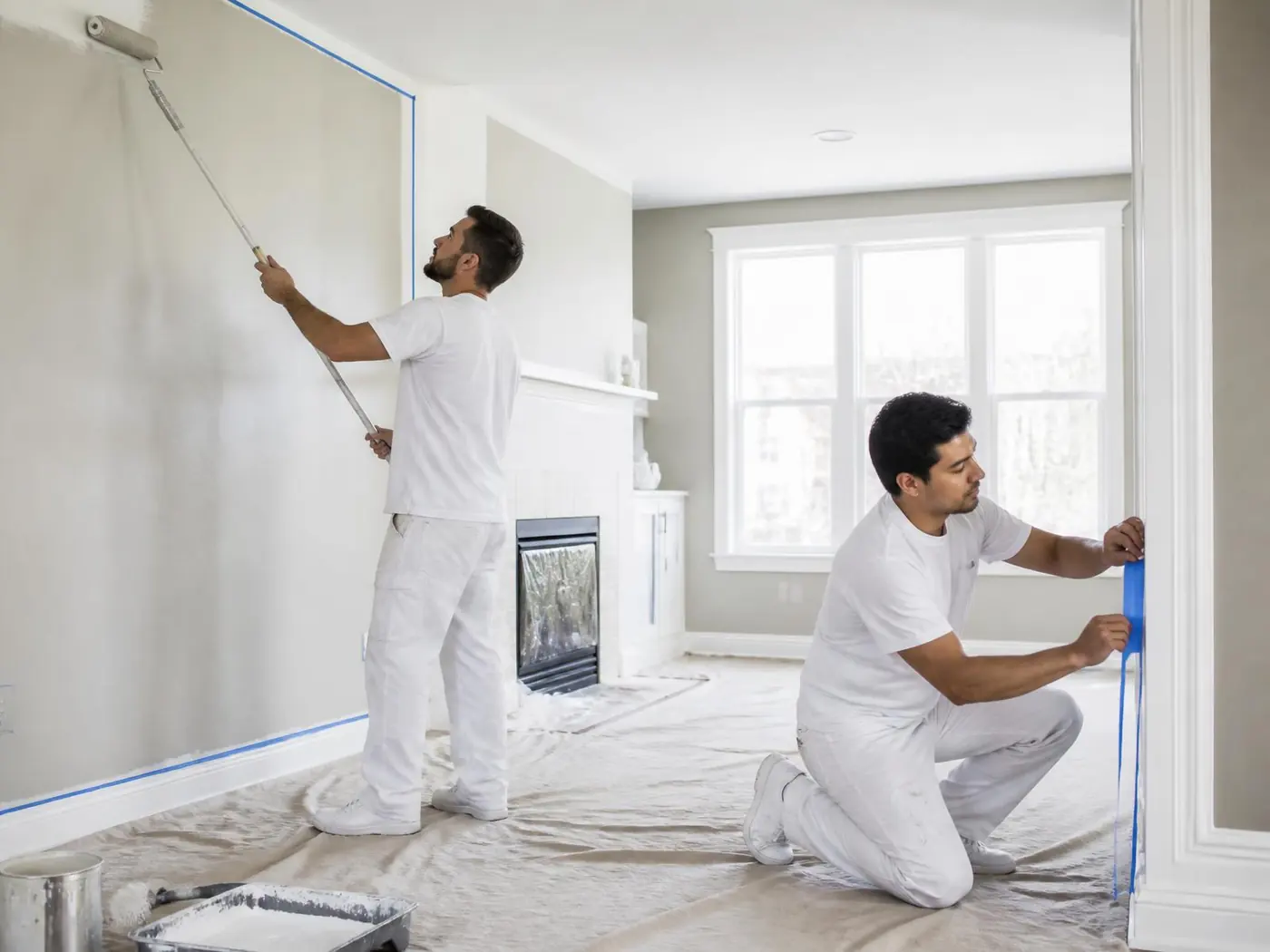
Homeowners planning interior painting projects often overlook one of the most critical decisions that can make the difference between professional-looking results and costly do-over disasters: the sequence of painting ceilings and walls that determines both the quality of finished surfaces and the efficiency of the entire project. This fundamental timing choice affects everything from paint drip management and clean line achievement to roller technique effectiveness and final touch-up requirements, with the wrong sequence leading to extended project timelines, wasted materials, and the kind of frustrating quality issues that transform exciting home renovations into expensive lessons about why professional painters throughout the Lake Norman region follow systematic approaches developed through years of experience. Understanding the physics of paint application, the mechanics of achieving clean transitions between different surfaces, and the practical realities of working with gravity and painting tools in real-world home environments empowers homeowners to plan projects that deliver the crisp, professional results that enhance property values while avoiding the common sequencing mistakes that can turn painting dreams into renovation nightmares requiring professional correction to achieve acceptable results.

The Professional Ceiling-First Standard represents the time-tested approach that virtually all experienced painters follow because it works with rather than against the natural physics of paint application while providing systematic advantages that improve both efficiency and final quality. Painting ceilings before walls allows gravity to work in your favor rather than against you, enabling any paint drips, splatters, or overspray from ceiling work to land on unpainted wall surfaces that will receive paint coverage anyway rather than contaminating finished wall paint that would require time-consuming touch-up work. This gravity-assisted approach proves particularly important for ceiling painting because the overhead application angle makes drips and splatters virtually unavoidable even with careful technique and proper tools.

Professional painters understand that ceiling painting represents the most physically demanding and technically challenging aspect of interior painting projects because working overhead strains muscles while making it difficult to maintain consistent roller pressure and application patterns that produce smooth, uniform finishes. Completing the most difficult work first ensures that painters can focus entirely on achieving quality ceiling coverage without the added pressure of protecting finished wall surfaces from inevitable ceiling painting contamination. This sequencing also enables painters to address any ceiling preparation issues, repair work, or multiple coat requirements without concern for affecting adjacent finished surfaces.

The ceiling-first approach accommodates the reality that ceiling painting often requires different tools, techniques, and paint formulations than wall painting, making it logical to complete ceiling work as a separate phase that can be optimized for overhead application challenges. Professional-grade ceiling paints often have different flow and leveling characteristics than wall paints, and ceiling application frequently benefits from spray techniques or specialized roller systems that might create overspray issues if walls were already painted. Separating ceiling and wall phases enables optimal tool selection and technique for each surface type.

Gravity and Drip Management considerations make ceiling-first sequencing essential for preventing the paint contamination that can ruin otherwise professional wall finishes. Even experienced painters using proper technique and equipment cannot completely prevent paint drips and splatters during ceiling application because the overhead angle forces paint to work against gravity while making it impossible to maintain the consistent roller contact that prevents drip formation. When walls are painted first, these inevitable ceiling painting drips land on finished surfaces requiring either acceptance of contaminated finishes or time-consuming touch-up work that may not blend seamlessly with surrounding areas.

Physics principles explain why ceiling painting creates more drip problems than wall painting because the overhead application angle prevents proper paint film formation while forcing excess paint to accumulate on roller covers and brush bristles in ways that lead to drip formation. Professional painters use specialized techniques to minimize ceiling drips, but they understand that complete elimination is impossible, making ceiling-first sequencing the only reliable approach for preventing wall contamination.

Paint formulation differences between ceiling and wall paints also affect drip behavior because ceiling paints often have different viscosity and flow characteristics designed to minimize overhead application problems. However, these formulation differences can actually increase drip potential in some cases, making it even more important to complete ceiling work before walls receive their finished coats.

Clean Line Achievement between ceilings and walls requires systematic approaches that depend on proper sequencing to achieve the sharp, straight transitions that distinguish professional work from amateur applications. Ceiling-first sequencing enables precise cutting-in techniques when wall painting begins because painters can focus entirely on achieving straight lines against completed ceiling surfaces rather than attempting to protect wet or recently painted ceilings while cutting wall paint lines. This approach typically produces cleaner, more consistent results than attempting to cut ceiling lines against previously painted walls.

Professional cutting-in technique relies on steady-hand brushwork or precision masking to create perfectly straight lines between different paint colors and surfaces. When ceilings are painted first, wall painting becomes a controlled cutting-in process where brushes can be loaded properly and moved smoothly along ceiling edges without concern for contaminating wet ceiling paint. This technique control proves essential for achieving the clean, professional appearance that characterizes quality paint work.

Color transition management also benefits from ceiling-first approaches because most ceiling and wall color combinations involve painting lighter ceiling colors before darker wall colors, which naturally provides better coverage and cleaner transitions than attempting to paint light colors over darker colors. Understanding how color combinations affect application sequence helps ensure optimal coverage while minimizing the number of coats required for complete hiding and uniform appearance.

Tool Selection and Technique Optimization differ significantly between ceiling and wall painting, with ceiling work typically requiring specialized extension poles, angled brushes, and roller systems designed for overhead application challenges. Separating ceiling and wall phases enables optimal tool selection for each application type while preventing the compromise solutions that result from attempting to use the same tools for both ceiling and wall work. Professional painters often use different roller covers, brush types, and even paint formulations for ceilings versus walls.

Extension pole technique becomes critical for ceiling painting because reaching overhead surfaces safely requires proper pole selection and handling methods that differ significantly from wall painting technique. Professional ceiling painting often involves specialized roller frames and covers designed specifically for extension pole use while providing the coverage characteristics necessary for smooth, uniform ceiling finishes. Wall painting typically uses different roller systems optimized for closer work and different surface angles.

Paint loading and application patterns also vary between ceiling and wall work because overhead application affects how paint transfers from rollers to surfaces while making it more difficult to maintain consistent pressure and coverage. Professional ceiling technique involves modified loading patterns and application sequences that account for overhead work challenges while maintaining the coverage quality necessary for professional results.

Surface Preparation Sequencing becomes important when both ceiling and wall surfaces require preparation work because dust and debris from preparation activities can contaminate finished surfaces if sequencing isn’t planned properly. Ceiling preparation work including sanding, patching, and cleaning typically generates more airborne contamination than wall preparation because gravity causes debris to settle on lower surfaces. Completing ceiling preparation and painting before wall work prevents contamination of finished wall surfaces while ensuring that preparation dust doesn’t interfere with ceiling paint adhesion.

Primer application sequencing follows similar principles because ceiling priming often requires spray application or other techniques that can create overspray affecting adjacent surfaces. Priming ceilings first enables optimal application techniques without concern for protecting finished wall surfaces while ensuring that any overspray issues are addressed before wall painting begins.

Repair work coordination also benefits from ceiling-first approaches because ceiling repairs often involve patching, sanding, and other activities that create dust and debris harmful to finished paint surfaces. Completing ceiling repairs and painting before wall work prevents contamination while enabling proper curing time for ceiling repairs without delaying overall project completion.

Environmental Control and Working Conditions often differ between ceiling and wall painting phases because ceiling work typically requires more controlled conditions for achieving smooth, defect-free finishes while generating more dust and contamination that affects air quality. Separating these phases enables better environmental control for each application type while preventing cross-contamination between different project phases.

Ventilation requirements may also differ between ceiling and wall work because ceiling painting often involves more volatile paint products or spray applications that require enhanced ventilation. Planning proper ventilation for each phase prevents air quality problems while ensuring optimal curing conditions for different paint applications.

Temperature and humidity control becomes particularly important for ceiling painting because overhead application makes paint more susceptible to environmental variations that can affect flow, leveling, and drying characteristics. Understanding these environmental requirements helps plan sequencing that works with rather than against optimal painting conditions.

Quality Control and Inspection procedures benefit from ceiling-first sequencing because it enables complete evaluation of ceiling work before wall painting begins, allowing any ceiling corrections to be completed without affecting wall surfaces. Professional painters understand that ceiling defects are more difficult to correct after wall painting is complete because correction work often creates contamination that affects adjacent wall finishes.

Lighting evaluation becomes important for ceiling quality assessment because different lighting conditions reveal different types of ceiling defects and application issues. Ceiling-first sequencing enables thorough quality evaluation under various lighting conditions while allowing corrections to be completed before wall painting creates additional protection requirements.

Final inspection protocols should include both ceiling and wall surfaces, but ceiling-first sequencing enables systematic evaluation that ensures ceiling quality meets standards before wall work begins. This approach prevents the discovery of ceiling problems after walls are complete, which would require either acceptance of substandard ceiling quality or expensive correction work that affects finished wall surfaces.

Project Efficiency and Timeline Considerations favor ceiling-first approaches because they enable systematic completion of the most challenging work first while preventing the delays that result from having to protect finished surfaces during subsequent painting phases. Professional painters understand that ceiling work typically takes longer than wall work and involves more setup and cleanup time, making it logical to complete ceiling work first to establish realistic timeline expectations for overall project completion.

Material usage efficiency also improves with ceiling-first sequencing because it enables optimal paint selection and application techniques for each surface type without the compromises necessary when attempting to use the same materials for both ceilings and walls. Professional painters often use different paint formulations, primer systems, and application tools for optimal ceiling and wall results.

Cost management benefits from systematic sequencing that prevents expensive rework and correction requirements while enabling accurate material and time estimates for project planning. Understanding true ceiling-first advantages helps homeowners make informed decisions about professional painting services while setting realistic expectations for project timelines and costs.

When your home’s interior painting project demands professional expertise, let Trailblaze Paints bring the methodical sequencing and proven techniques that prevent the common problems plaguing DIY painting attempts. Our team understands that proper painting sequence represents the foundation of professional results and follows systematic ceiling-first approaches that work with physics and painting science to deliver the crisp, clean finishes that transform homes throughout Mooresville and Cornelius. Whether your project involves simple ceiling refreshing or complete interior transformation, we combine technical expertise with meticulous attention to detail that ensures each phase supports rather than compromises subsequent work, delivering results that reflect our commitment to excellence in every aspect of professional painting. Contact us today and let us bring the vision you’ve been dreaming of to life.

Trailblaze Paints is your trusted Lake Norman painting company, proudly delivering professional residential and commercial painting services with integrity, craftsmanship, and care. Locally owned and 5-star rated, we serve Mooresville, Cornelius, Davidson, Denver, Sherrills Ford, Huntersville, and surrounding communities. Let’s bring your vision to life—beautifully and reliably.