Should You Paint Trim Before or After Walls? The Professional Sequence That Matters
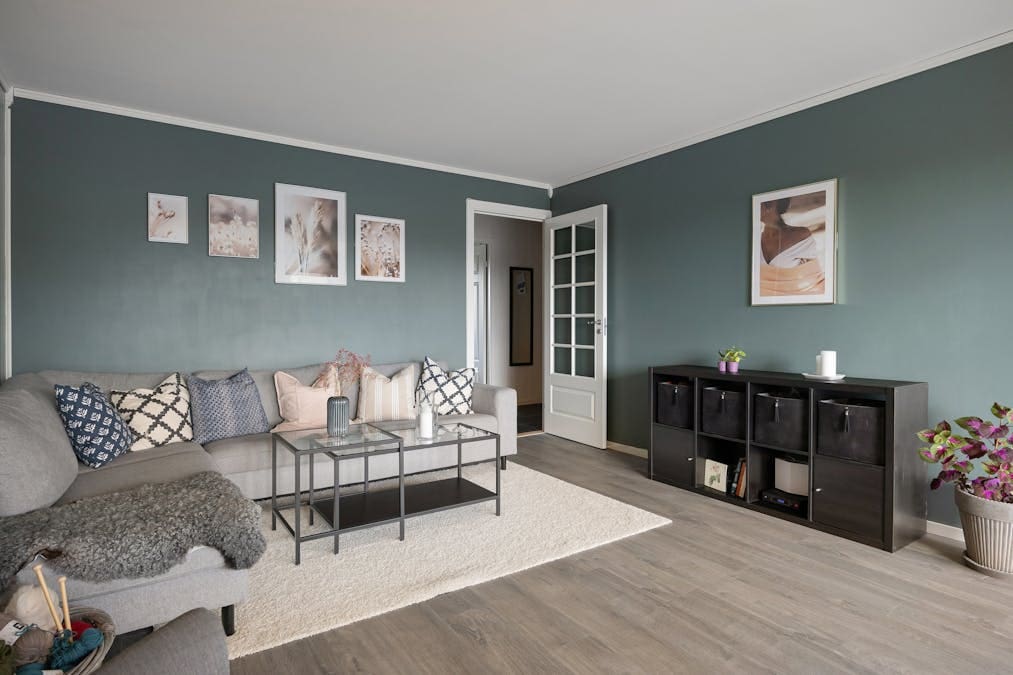
Lake Norman homeowners planning interior painting projects often find themselves puzzled by a fundamental sequencing question that can significantly impact both the quality of their finished results and the total cost of their renovation: should trim and baseboards be painted before wall surfaces or after walls are completed? This seemingly simple timing decision affects everything from paint coverage quality and clean line achievement to project scheduling and potential touch-up requirements, with different approaches offering distinct advantages depending on project scope, skill level, and desired finish quality. Professional painters in the Mooresville and Cornelius areas have developed systematic approaches to painting sequence that maximize efficiency while ensuring the crisp, clean results that transform homes throughout the Lake Norman region. Understanding the science behind paint adhesion, the mechanics of achieving clean paint lines, and the practical considerations that influence sequencing decisions empowers homeowners to plan projects that deliver professional-quality results while avoiding costly mistakes that can turn exciting renovation dreams into expensive do-over nightmares that could have been prevented with proper planning and execution.
The Traditional Trim-First Approach represents the classic painting sequence that professional contractors have relied on for decades, based on practical advantages that remain valid for many painting scenarios today. Painting trim and baseboards before wall application allows for complete trim coverage without concern for overspray or brush marks affecting adjacent wall surfaces, enabling painters to work efficiently with spray equipment or aggressive brush techniques that might otherwise damage finished walls. This approach proves particularly valuable for extensive trim work involving multiple coats, primer applications, or detailed preparation that generates dust or debris harmful to finished wall surfaces.
The trim-first sequence accommodates the reality that trim painting often requires more time-intensive techniques than wall painting because detailed brushwork around molding profiles, corner joints, and architectural details demands precision that cannot be rushed without compromising quality. Completing trim work first allows adequate time for meticulous surface preparation, multiple coat application, and quality control without the pressure of protecting finished wall surfaces during detailed trim work. Professional painters appreciate this approach because it enables them to achieve perfect trim coverage and smooth finishes without the constraints imposed by adjacent finished surfaces.
Scheduling flexibility represents another significant advantage of trim-first approaches, particularly for projects involving multiple rooms or phased renovation timelines. Trim work can often proceed during weather conditions or scheduling constraints that might prevent wall painting, allowing project momentum to continue despite temporary setbacks. Additionally, trim-first sequencing enables better coordination with other trades that may need wall access after trim completion but before final wall painting, such as electrical work, fixture installation, or cabinet mounting that could affect finished wall surfaces.
Modern Wall-First Strategies have gained popularity among professional painters because advances in masking technology, precision cutting techniques, and paint formulation have made it possible to achieve superior results through wall-first approaches that were impractical with older materials and methods. Painting walls before trim allows for complete wall coverage that extends slightly into trim areas, creating overlap coverage that ensures no gaps or missed areas where walls meet trim pieces. This overlap approach prevents the visible gaps that can occur when walls are painted around previously painted trim, particularly in older homes where settling or seasonal movement has created slight separations between trim and wall surfaces.
The wall-first approach provides significant advantages for color matching and aesthetic coordination because trim colors can be selected and applied with full knowledge of how they will appear against actual finished wall colors rather than relying on small samples or color projections. This real-world color evaluation often leads to better final color relationships and eliminates the disappointment that can occur when trim colors that seemed perfect during planning appear wrong when viewed against actual finished walls. The ability to make final trim color adjustments based on completed wall appearance represents a valuable benefit that can prevent expensive repainting to correct aesthetic mistakes.
Quality control considerations favor wall-first approaches for achieving the crisp, clean paint lines that distinguish professional work from amateur applications. When walls are painted first, trim painting becomes a cutting-in process that creates clean, straight lines between different paint colors and finishes. Professional painters can use steady-hand cutting techniques or precision masking to achieve perfectly straight lines that would be difficult or impossible to achieve when painting walls around previously painted trim. This cutting-in approach typically produces cleaner, more professional-appearing results than attempting to paint walls precisely to trim edges.
Project Complexity Considerations help determine which sequencing approach will provide optimal results for specific renovation scenarios. Simple projects involving single rooms with minimal trim details may benefit from trim-first approaches that enable quick completion without complex masking requirements. However, projects involving extensive trim work, multiple paint colors, or high-end finish requirements often achieve better results through wall-first approaches that enable precision cutting and color coordination that justify additional time investments.
Room architecture also influences optimal sequencing decisions, with rooms featuring complex trim profiles, built-in cabinetry, or architectural details often benefiting from wall-first approaches that enable painters to work systematically around detailed features. Conversely, rooms with simple trim profiles and minimal architectural complexity may be completed more efficiently using trim-first approaches that minimize masking requirements and enable straightforward application techniques.
Paint finish considerations affect sequencing decisions because different sheen levels require different application techniques and protection requirements. High-gloss trim finishes show imperfections more readily than lower-sheen wall paints, making it important to achieve perfect trim coverage without contamination from wall painting activities. Understanding how different finish combinations affect application requirements helps determine sequencing approaches that support optimal results for specific paint system selections.
Masking and Protection Techniques enable wall-first approaches to achieve professional results while protecting completed surfaces during subsequent trim painting. Modern masking tapes designed specifically for painting applications provide clean removal characteristics and edge sealing that prevents paint bleeding under tape edges. Professional-grade masking film and paper combinations protect large wall areas while providing precisely controlled edge lines for clean paint application boundaries.
Surface preparation differences between walls and trim also influence sequencing decisions because trim work often requires more intensive preparation including sanding, gap filling, and priming that generates dust and debris harmful to finished paint surfaces. Wall surfaces typically require less intensive preparation, making it logical to complete dusty trim preparation before final wall painting rather than risking contamination of finished walls during trim preparation activities.
Professional application technique varies significantly between wall and trim painting, with walls typically painted using roller application for speed and efficiency while trim requires careful brush work for precision and coverage in detailed areas. Understanding these technique differences helps plan sequencing that enables optimal tool usage and application methods for each surface type without compromise or inefficiency.
Quality Assurance and Touch-Up Considerations differ significantly between sequencing approaches, with trim-first methods potentially requiring wall touch-ups after trim completion while wall-first methods may require trim touch-ups if masking isn’t perfect. Professional painters understand these trade-offs and plan sequencing approaches that minimize touch-up requirements while ensuring that any necessary touch-ups can be completed efficiently without affecting overall project quality or timeline.
Paint adhesion science affects sequencing decisions because proper adhesion between different paint layers requires compatible chemistry and appropriate surface preparation. When trim and walls use different paint formulations or sheen levels, the sequence of application can affect how well paint layers bond together at overlap areas. Understanding these chemical compatibility requirements helps ensure that sequencing choices support rather than compromise long-term paint performance.
Curing time considerations become important for projects involving multiple coat applications or different paint systems because adequate curing time between coats affects both adhesion and final appearance quality. Trim-first approaches may provide natural curing time for trim coats while wall painting proceeds, while wall-first approaches require planning adequate curing time before trim application begins. Professional scheduling accounts for these timing requirements to ensure optimal paint performance without project delays.
Environmental Control and Working Conditions affect sequencing success because temperature, humidity, and dust control requirements may differ between wall and trim painting phases. Trim painting often requires more controlled conditions for achieving smooth, defect-free finishes while wall painting may be more tolerant of environmental variations. Understanding these different environmental requirements helps plan sequencing approaches that work with rather than against optimal painting conditions.
Skill Level and Tool Requirements vary between wall and trim painting, with trim work requiring higher skill levels and specialized tools for achieving professional-quality results. DIY homeowners may find that their skill levels are adequate for wall painting but insufficient for professional-quality trim work, suggesting sequencing approaches that enable professional trim application without compromising wall work they can complete successfully themselves.
Professional painters possess the skills and tools necessary to achieve excellent results with either sequencing approach, but they typically choose methods based on specific project requirements, architectural details, and quality expectations rather than following rigid sequencing rules. Understanding professional decision-making criteria helps homeowners make informed choices about sequencing approaches that align with their project goals and quality expectations.
Cost Implications of different sequencing approaches include both direct labor costs and potential rework expenses if sequencing choices lead to quality problems requiring correction. Trim-first approaches may involve lower direct painting costs but higher touch-up costs if wall painting affects trim appearance. Wall-first approaches may involve higher initial painting costs due to masking requirements but lower overall costs if they prevent touch-up requirements and achieve superior final quality.
Professional consultation provides valuable guidance for sequencing decisions because experienced painters understand how different approaches affect specific project requirements, architectural features, and quality expectations. Professional assessment of room conditions, paint system requirements, and homeowner priorities helps determine optimal sequencing approaches that maximize value while minimizing risks and costs associated with poor sequencing decisions.
Long-Term Performance Considerations include how sequencing choices affect paint durability, maintenance requirements, and future repainting needs. Proper sequencing that ensures complete coverage and appropriate paint layer relationships supports long-term paint performance while poor sequencing choices may create conditions that lead to premature paint failure or maintenance problems. Understanding these long-term implications helps make sequencing decisions based on total ownership costs rather than just initial application considerations.
Whether your Mooresville home needs complete interior transformation or specific rooms require the perfect balance of wall and trim work, let Trailblaze Paints bring the expertise and systematic approach that ensures every detail receives the attention it deserves. Our team understands the complexities of optimal painting sequence and uses proven techniques that deliver the beautiful, lasting results that reflect our commitment to excellence in every brushstroke. We combine technical expertise with meticulous attention to detail that ensures your project exceeds expectations while respecting your time, budget, and vision for your space. Contact Trailblaze Paints today and let us bring your vision to life with the professional expertise and exceptional results that turn painting projects into the beautiful reality you’ve been dreaming of.